


Chatbot AI - Search Assistant
4.43.72K Reviews
App Specs
- Version
- 3.1.5
- Updated On
- License
- Free
- Downloads
- 10,000,000+
- Developer
- Codespace Dijital
- Categories
- Productivity
- Platform
- Android, iOS
Screenshots

 Analysis by AppCompare
I judge an assistant app not only by the answers it can produce, but by how comfortably I can read, navigate, and use it when I am tired, busy, or working with a small screen. Chatbot AI - Search Assistant is a free productivity app from Codespace Dijital, built around asking questions in a conversational format. It has an average rating of 4.4 from around 849,000 ratings, and more than 10 million installs, so it has attracted a broad audience. My view is that its chat-first approach can make everyday information seeking feel approachable, but it works best when I treat its replies as a starting point rather than unquestioned answers.
Reading and finding your way around
First things first, installing the Chatbot AI - Search Assistant is a breeze. Just head over to your app store, hit download, and voilà, you’re ready to roll. The app has a sleek and user-friendly interface, which makes navigating through it a joy even for tech novices like me. It’s like the designers knew exactly how to keep things simple yet effective.
Once you fire up the app, you’re greeted by a friendly intro that guides you through the basic functionalities. It doesn’t overwhelm you with too much info at once, which is always a good start. A couple of taps and you’re chatting away with your new AI friend.
In practice, the most useful way to approach a chat interface is to give each request a clear purpose. I would keep a question about planning a meal separate from one about drafting a work note, for example, rather than letting unrelated topics blur together. That makes it easier to scan the exchange later and notice whether a response actually answers the question I asked. If a result feels vague, I can narrow the request with a follow-up instead of starting over with a completely different search.
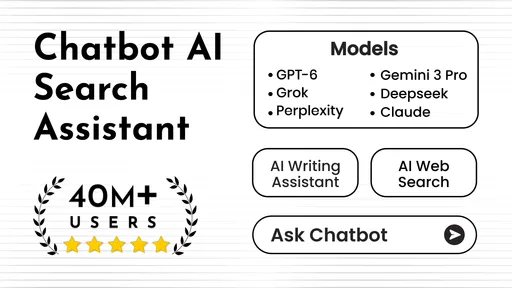
The app’s store summary points to chat, search, web browsing, and generators, which suggests a broader toolkit than a plain text chatbot. For a reader, the practical distinction is that a conversational answer can help organize a question, while a search-oriented approach is better when the answer depends on current or checkable information. I would be especially careful with changing details such as opening hours or event plans: use the response to identify what to verify, then check the relevant source before relying on it.
When a conversational search is useful
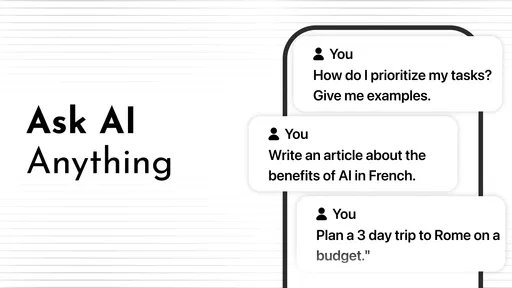
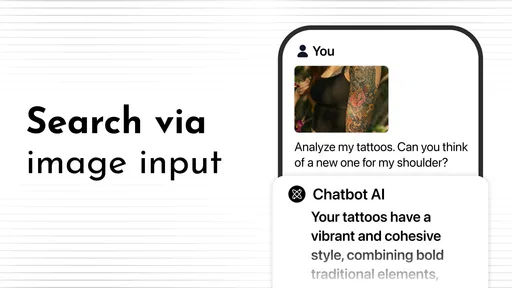
What really caught my eye about this app is its robust search capabilities. You can ask it anything, from “What’s the weather like today?” to “How do I bake a cake?” and it’ll fetch the most relevant answers for you. It’s like having Google right inside a conversation.
That conversational format can save effort when I do not yet know the right search terms. Suppose I have a few ingredients at home and want an idea for dinner: I can describe what I have, ask for a simple plan, then request a shorter version of the instructions while I cook. This is different from a standard search results page, where I usually need to compare several pages and assemble the answer myself. The trade-off is that a polished reply can sound more certain than it deserves, so I would still check important cooking timings, dietary requirements, and safety guidance.
Worth Reading Before You Choose

EA SPORTS FC Mobile 26 Is a Bigger Football Game, but It Takes Time

Flipboard Shows What News Apps Must Do Beyond the Feed

Switching to Android Auto Means Rethinking Your Driving Routine

Google Calendar Makes a Crowded Week Easier to Manage

Ludo King Makes the Most of the Minutes Between Plans

Baby Panda World Brings Quick Play to Modern Phones, but Its Game Library Feels Busy
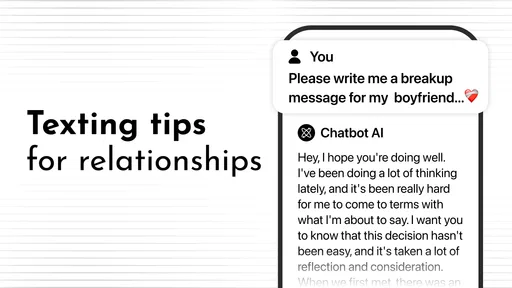
For a workday task, I could ask for a first draft of a polite message, then explain the tone I want and ask for a more concise version. That is a better use of a generator than expecting it to send the message or manage the whole task on my behalf. I would review names, dates, and any sensitive wording before copying anything out. The time saving comes from getting past the blank page, not from skipping judgement.
Keeping context without trusting it blindly
Another cool feature is its ability to remember your preferences and past interactions. So, if you’re someone who’s always looking for the best pizza places in town, it’ll keep that in mind and provide recommendations based on your previous queries.
That kind of continuity can be handy when I am refining a recurring request, such as asking for meal ideas that fit a preference I have already mentioned. It also creates a useful trade-off: remembered context may save me from repeating myself, but it can make an answer less suitable if my needs have changed. When a recommendation matters, I would restate the important constraints in the current conversation rather than assume an earlier preference still applies.
I would also avoid putting private or sensitive details into a general assistant unless I am comfortable sharing them for the interaction. That is a sensible habit for any chat-based tool, especially when using it to draft personal messages or organize a task. For a question that does not need personal context, keeping the prompt general is usually enough and makes the exchange easier to reuse.
Motor, sensory, and situational comfort
And let’s not forget about the integration with other apps. Whether you want to set a reminder, send a message, or even play your favorite tunes, Chatbot AI can handle it all. It’s like a Swiss Army knife, but for your digital needs.
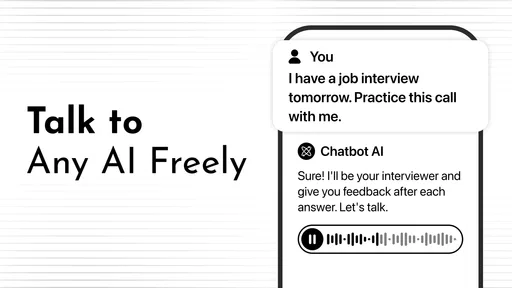
For motor access, a chat workflow can be less demanding than moving among several search pages: I can express a request in one place and refine it through follow-up prompts. Still, typing long instructions on a phone can be tiring, and conversational use is not automatically hands-free. When my hands are occupied, I would only rely on voice input if it is available and comfortable in my device setup, rather than assume the app itself provides a particular control.
For sensory comfort, short prompts and specific follow-ups help keep the exchange manageable. A long answer may be useful for learning a topic but cumbersome to scan while commuting or standing in a shop. I would ask for a brief summary first, then request detail on the part I need. If I have difficulty reading small text or processing dense paragraphs, the key question is whether the device’s own display and accessibility settings make the chat comfortable; I would not assume the app offers specialized accessibility controls.
Situationally, this kind of assistant fits quick, low-stakes tasks: clarifying a term during study, brainstorming a meal, or making a rough outline before a meeting. It is a weaker choice when I need a guaranteed current answer, precise navigation, or a completed action that must happen reliably. A search engine is often better for comparing source pages, a dedicated reminder app is better for dependable alerts, and a maps app is better for directions. The assistant may help me decide what to do, but I would use the specialist tool for the final action.
Limits, cost, and who should choose it
In terms of user experience, it’s pretty seamless. I didn’t encounter any major hiccups or bugs, which is refreshing. The responses are quick, and the app doesn’t lag, which is crucial for an app that’s supposed to make your life easier, not more complicated.
One practical point is that the app is free to download, while in-app purchases range from $4.99 to $69.99 per item. I would try the free experience first and decide whether I have a repeated need before paying for anything. Occasional question-asking may not justify an upgrade, whereas someone who regularly uses its chat, browsing, or generation tools may want to weigh the available purchase against their own routine. The app is rated for Everyone, and its current version is 3.0.24; it requires Android 7.0 or later.
The main limitation of an AI assistant is not just whether it responds quickly; it is whether the response is accurate enough for the task. I would not use a generated answer as the final authority for health, legal, financial, or other consequential decisions. Nor would I assume that every suggestion is current simply because it is phrased confidently. For those needs, specialist services and primary sources are a better fit.
If I already know exactly what I need and want several independent sources, a conventional search engine gives me more direct control over what I open and compare. If I want a draft, a plain-language explanation, or help turning a loosely stated problem into a useful question, a chat assistant can be more convenient. That difference is the clearest reason to keep this app alongside—not in place of—the tools I already rely on.
Who it suits, and where I would draw the line
If you’re someone who’s constantly on the go and needs quick answers, Chatbot AI - Search Assistant is perfect for you. It’s a great companion for those moments when you need a fast fact check or a little help organizing your day.
I would recommend trying it if you enjoy asking questions in ordinary language and want help moving from an idea to a draft or a short explanation. It may also suit students who need a starting point for understanding a topic, provided they verify claims and do their own work. For someone who rarely uses AI, the simplest test is to bring one real, low-stakes task to the app and see whether the back-and-forth saves time compared with a normal search.
I would skip it as a primary tool if I needed a dependable calendar, a full-featured notes system, or a carefully sourced research workflow. Those jobs benefit from apps designed specifically for them. It is also not the right place to delegate a task that must be completed without checking, such as sending an important message or acting on a critical answer. The value here is assistance with thinking and wording, not a guarantee that every task is handled correctly.
For a realistic everyday example, imagine I have a few minutes before leaving home and need to write a quick note asking a colleague to move a meeting. I can ask for a polite draft, add the new time, and request a shorter version. Then I should check the details and send it through my usual messaging app. That small workflow uses the assistant where it is strongest—getting the wording started—while leaving the actual communication under my control.
And if you’re into tech, the app gives you a sneak peek into the future of AI and how it can be integrated into our daily lives. It’s fascinating to witness how far technology has come and how it continues to evolve.
My inclusive verdict
All in all, the Chatbot AI - Search Assistant is a nifty little app that packs a punch. Whether you’re tech-savvy or just looking for a bit of help in your day-to-day activities, it’s definitely worth checking out. It’s like having your own personal assistant who’s always ready to help, no matter the time or place.
My recommendation is more measured: it is worth a try if a conversational interface makes searching and drafting feel easier for you, but it should not be treated as a replacement for specialist apps or careful verification. Its approachable format may lower the effort of getting started, while long replies, typing demands, uncertain answers, and the need to check consequential details remain real barriers. I would judge it by whether it fits my own reading and interaction needs, not by assuming that one interface works equally well for everyone.
If you’re curious and want to give it a spin, download it today and see how it can make your life a tad bit easier. Trust me, you won’t regret it!
Pros
- Fast response time for queries.
- User-friendly interface design.
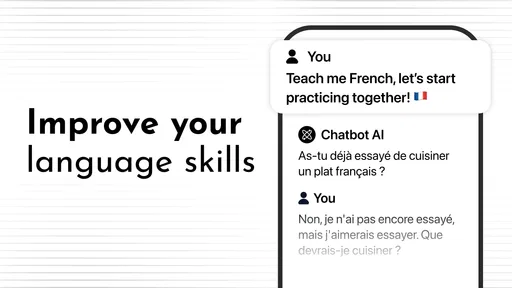
- Supports multiple languages.
- Offers personalized suggestions.
- Integrates well with other apps.
Cons
- Limited customization options.
- Occasional inaccuracies in responses.
- Requires internet for full functionality.
- No offline mode available.
- Subscription needed for premium features.
FAQs for Chatbot AI - Search Assistant
What is Chatbot AI - Search Assistant?
Chatbot AI - Search Assistant is a versatile application designed to enhance your search experience by providing intelligent, conversational interactions. It leverages advanced AI technology to understand queries and offer precise information, making it easier to find what you need quickly and efficiently.
How does Chatbot AI handle privacy and data security?
Chatbot AI - Search Assistant prioritizes user privacy and data security. It employs robust encryption protocols to protect your data. The app only collects necessary information to improve functionality, and users have control over their data preferences, ensuring a safe and secure experience.
Can Chatbot AI integrate with other applications on my device?
Yes, Chatbot AI - Search Assistant can integrate with various applications on your device. It seamlessly connects with apps like calendars, email, and social media platforms to provide a more comprehensive and personalized user experience, enhancing productivity and convenience.
Is Chatbot AI available offline?
Chatbot AI - Search Assistant primarily requires an internet connection to function optimally. However, it offers limited offline capabilities for basic commands and information retrieval. For the best experience, it is recommended to use the app with a stable internet connection.
What languages does Chatbot AI support?
Chatbot AI - Search Assistant supports multiple languages to cater to a diverse user base. It is continually expanding its language offerings to include more global languages, ensuring that users worldwide can benefit from its intelligent search capabilities and user-friendly interface.


